Not Every Journey Is Meant to Be Shared
Why I’m Hesitant to Take More People on My Wilderness Trips
Every time I share photographs from a trek—mist curling through pine trees, the still gaze of a night sky, the shimmer of a hidden stream—my phone starts buzzing.
“Where is this place?”
“How did you get permission?”
“Next time, take me with you!”
I know these messages come from excitement and affection. I’m grateful for the interest. But each time I start typing a reply, my fingers hover and then pause. Because what I long to explain is not simple.
It’s not that you, or anyone, is careless or unkind. It’s that the wilderness is not just a destination. It’s a state of mind. And to really share it, you need to arrive with a certain quiet inside you.
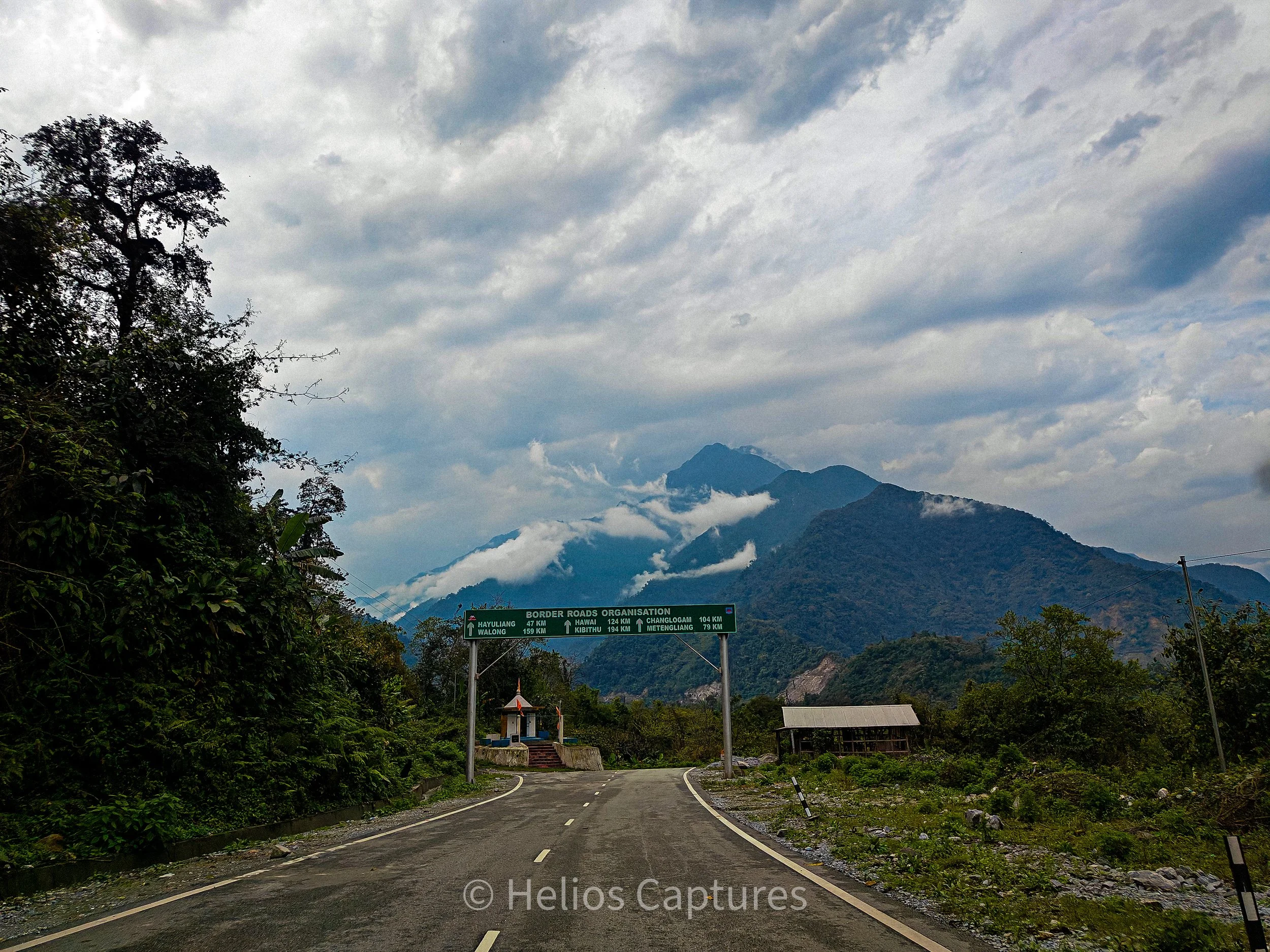
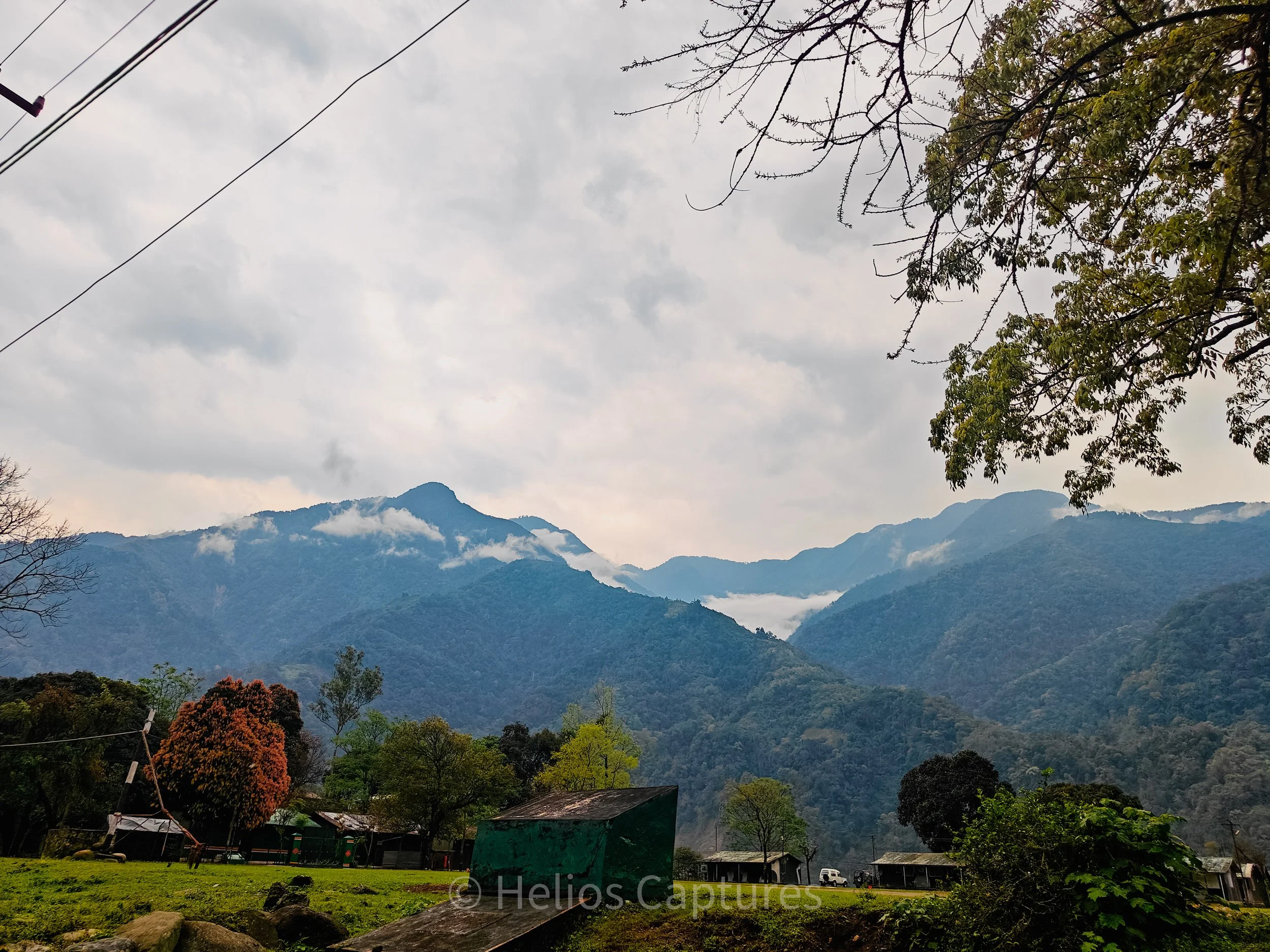
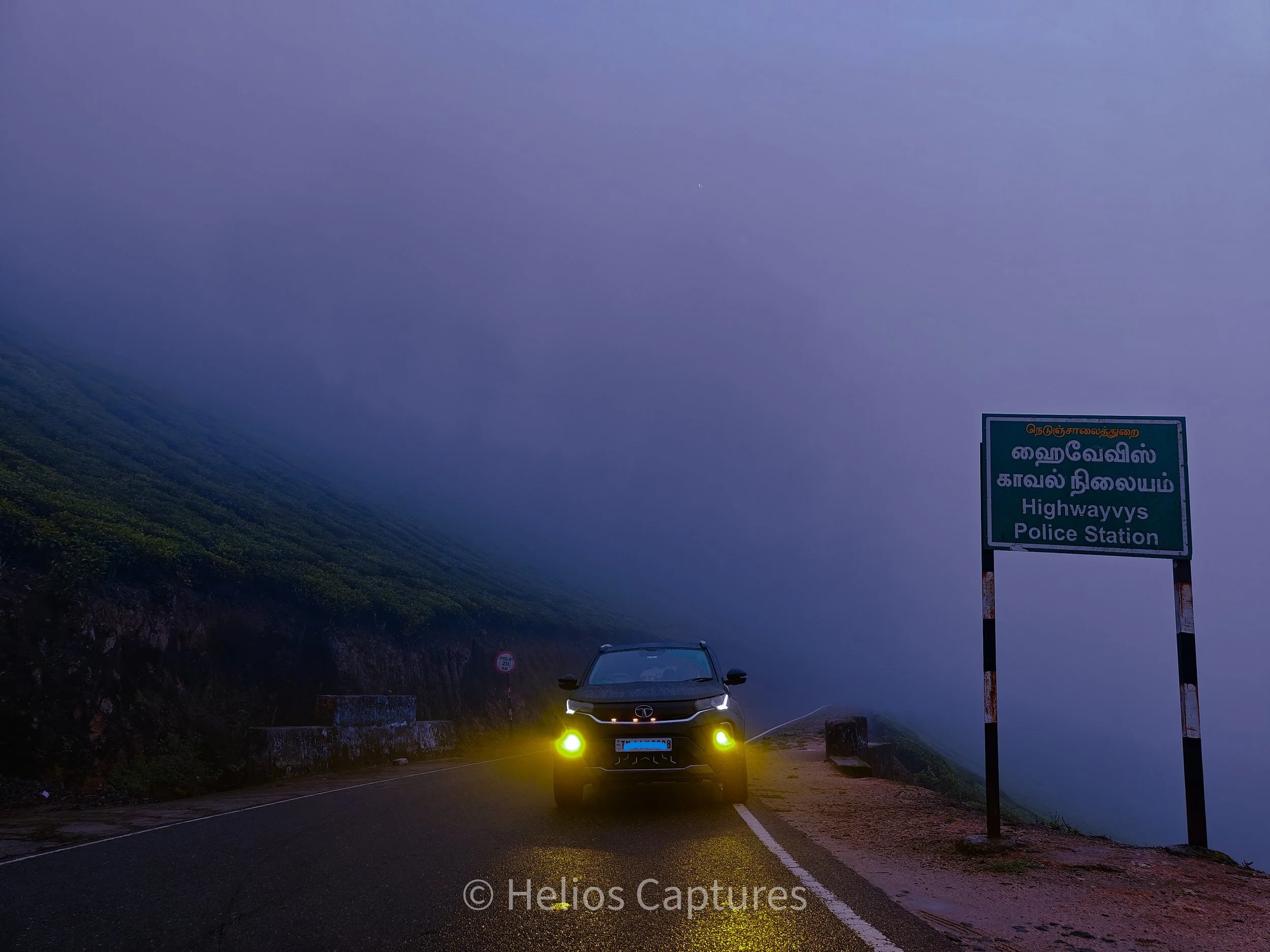
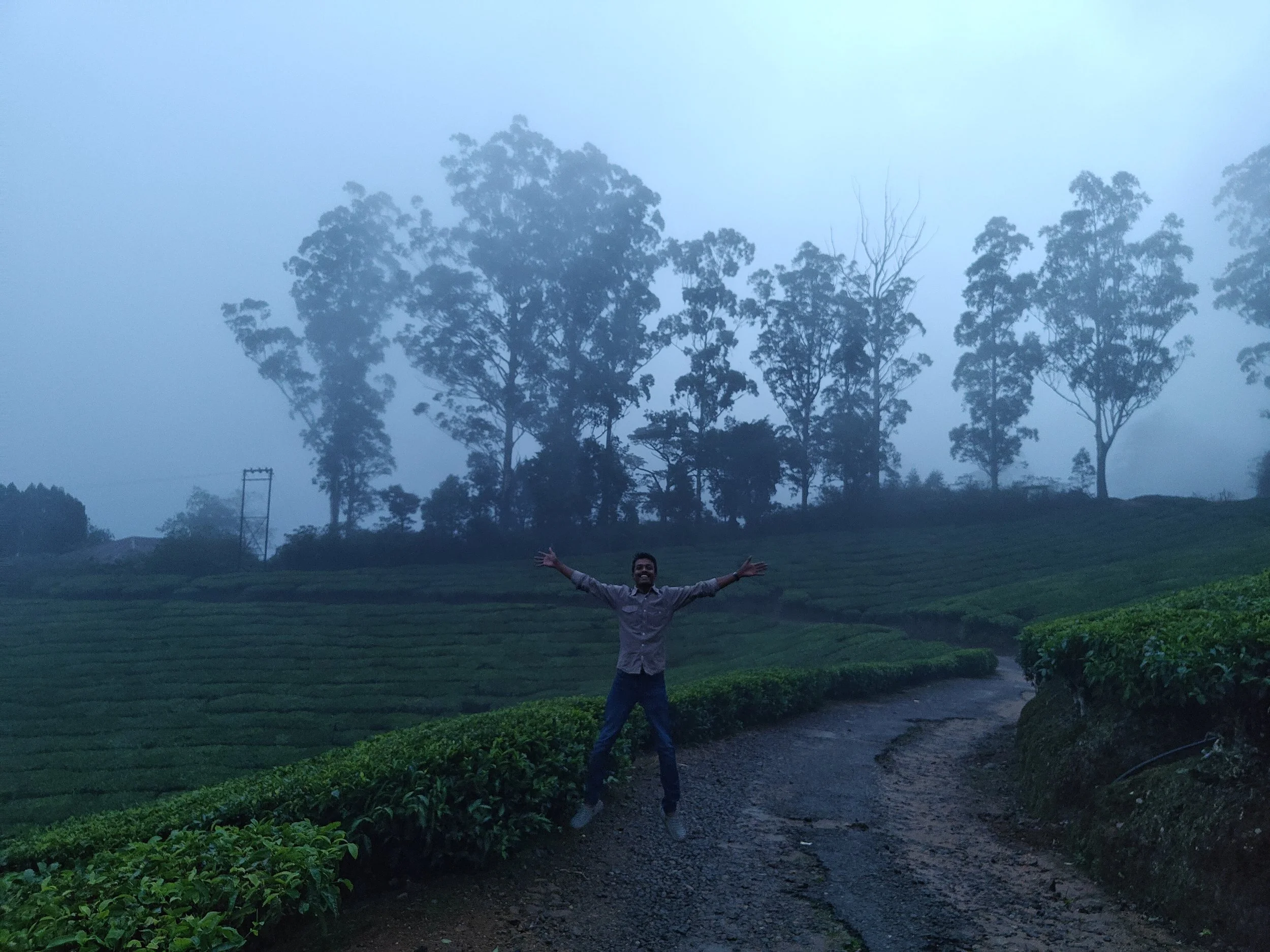
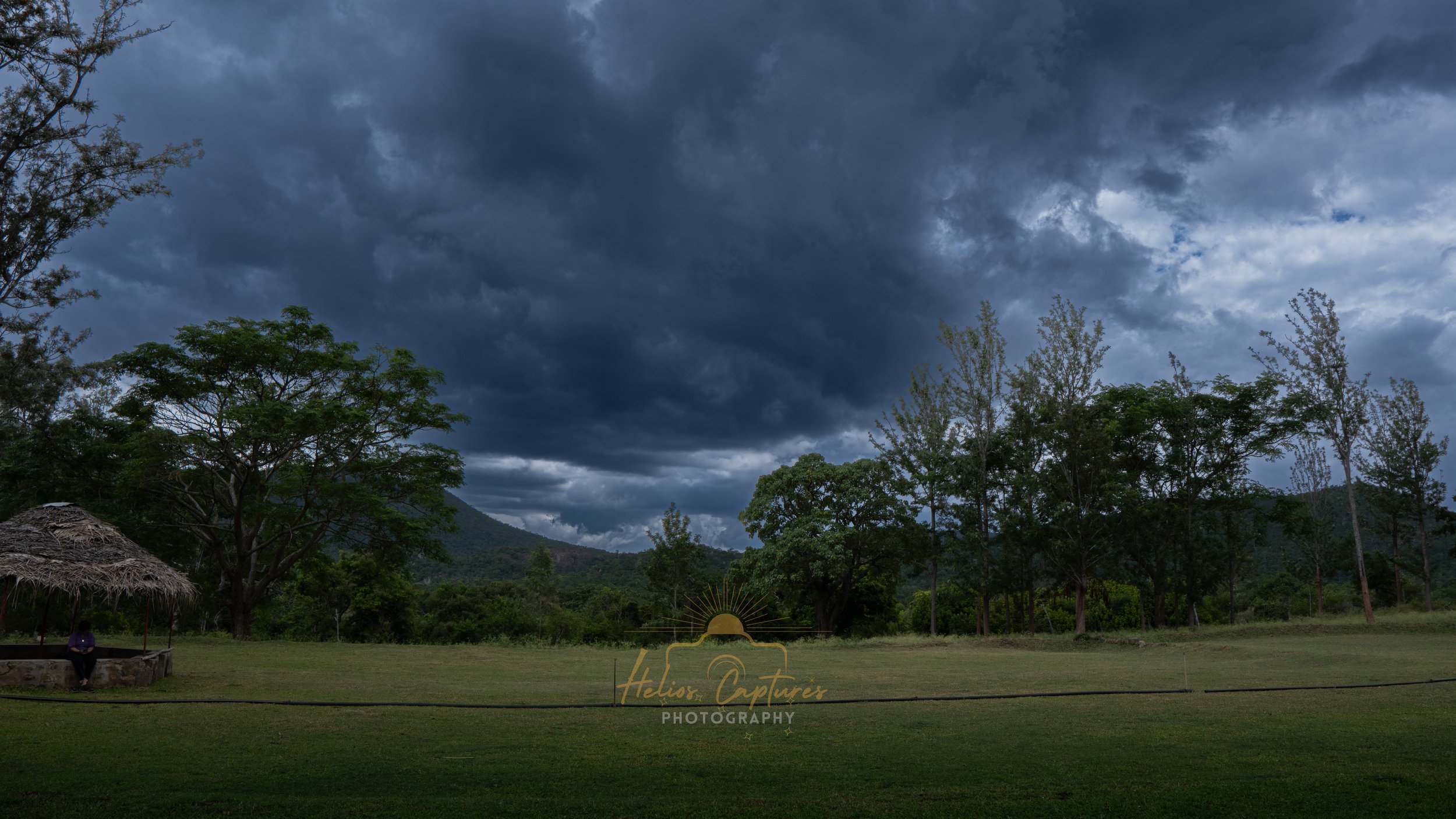
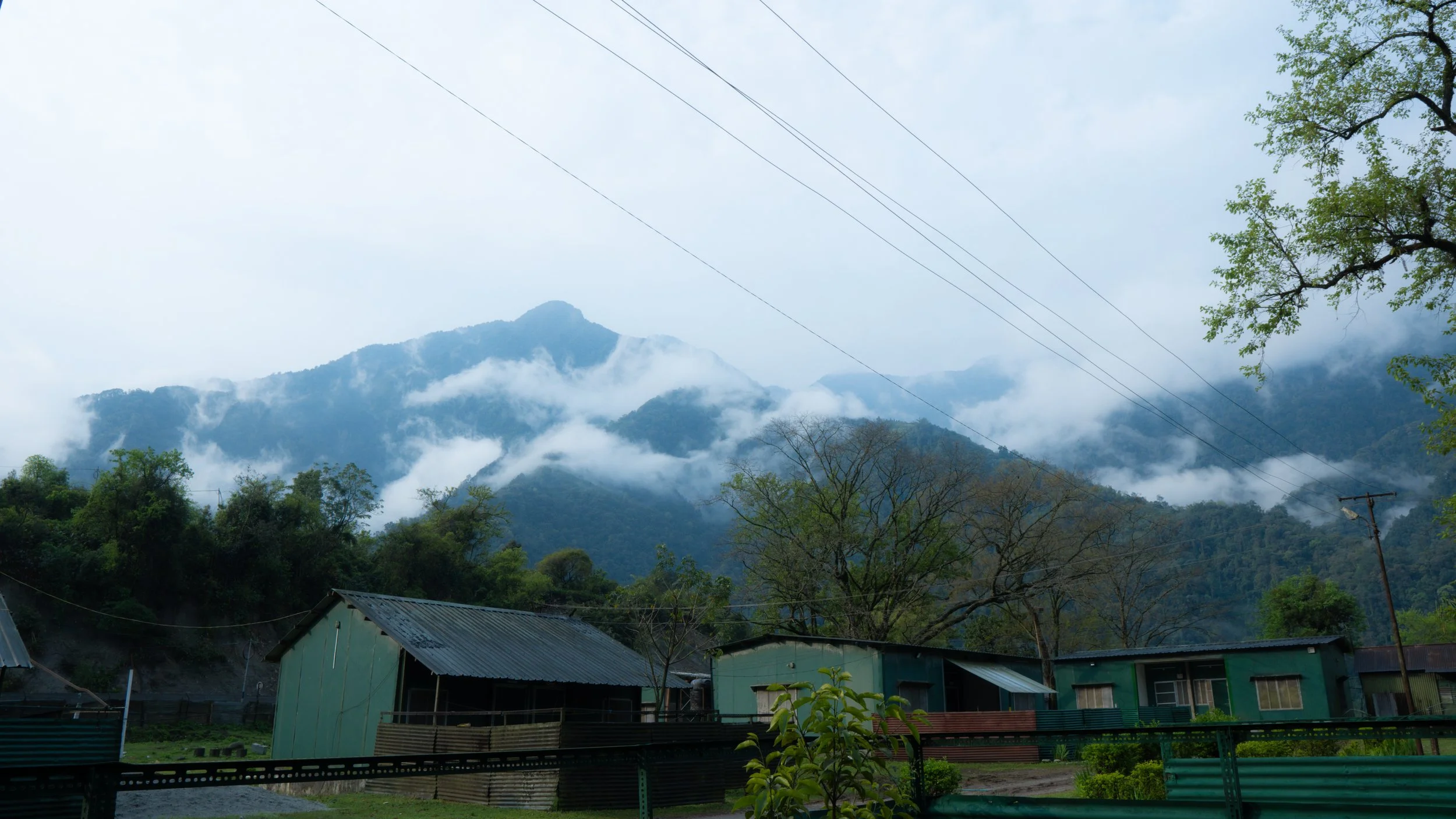
Pics of some locations I frequently visit!
The Rhythm the Wild Teaches
When I step onto a forest trail or climb into the stillness of a mountain ridge, I feel the world’s heartbeat slow. The forest speaks in a language that can’t be heard over chatter or the thrum of a Bluetooth speaker.
Have you ever tried sitting for an hour beneath an ancient tree, saying nothing, until the birds decide you’re safe enough to sing again? Until a spider rebuilds the web you accidentally brushed? That’s the kind of patience the wild demands.
Many visitors, unknowingly, rush. They come with the bright energy of city weekends—counting steps, snapping quick photos, laughing loudly to fill the silence. But the forest doesn’t rush. And if you let it, it will teach you a slower kind of joy.
Joy Beyond “Fun”
Of course I enjoy these journeys—but not in the way most people mean when they say fun. For me, enjoyment is the quiet thrill of noticing: the rustle of a deer before it appears, the way a single star cuts through the dark.
When I photograph a bird, I don’t chase it for the perfect shot. I watch. I learn its rhythm, its small habits. Only when it forgets I am there do I lift the camera. That’s the picture worth keeping—the one that belongs equally to the bird and to me.
Ask yourself: would you be content to wait with me, with only a bottle of water and a banana, as the day slides toward dusk? Could you savor the sound of leaves without needing music of your own?
A Lesson from My Own Village
Once, some of my relatives asked me to take them to a small village I had shared on my Instagram page. I informed them gently: “It’s just a small village—you have to adjust to the situation. There’s no show here, only quiet beauty.”
They smiled and agreed, but when we arrived, some immediately asked if we could tour the place by car. I shook my head. “No, we’ll walk. If you rush by car, you’ll miss what makes this village alive—the tiny details, the whisper of green.”
So we walked. I took them through coconut gardens and along the edges of paddy fields, pausing to tell stories and share what I saw. It was a long walk; the kind that lets you breathe with the land. Finally, when we reached the spot I wanted to show them, a few of them frowned and said, “There’s nothing here. Why this path?”
In that moment, I was stunned. I realized that not everyone can see the beauty I see. Some of them had only come to capture the same frame, in the same light, the same weather, as the video I had posted. But that’s not how nature works.
Unless you embrace the changes in nature—the shifting clouds, the unexpected moods—you will never see its true beauty. You cannot demand yesterday’s sunset today.
The next morning, I took them to a nearby river—again, by walk. From the very first step, the complaints began. “Why so far? Can’t we take the car halfway?”
As we moved along the narrow pathway, the air was heavy with the scent of damp earth. Tender shoots of paddy glistened with dew, dragonflies shimmered like tiny shards of glass in the morning light. The soft breeze carried the distant rhythm of a temple bell.
But my companions barely noticed. Their words rose above the rustling of leaves—grumbles about the distance, the heat, the uneven path. With every complaint, I felt the quiet music of the morning being drowned out.
And then, quite suddenly, the river appeared—a ribbon of silver water glistening beneath a canopy of emerald green. The mood shifted instantly. Their eyes lit up; laughter replaced the complaints. They waded in, splashing like children, bathing and playing in the clear water for three carefree hours. The forest echoed with their joy.
When it was time to return, the old chorus of complaints returned just as quickly. “Such a long walk back… why didn’t we bring the car closer?”
I listened in silence. Because in that moment, the lesson stood before me like the river itself: people often want everything on the table—the beauty without the journey, the reward without the quiet effort. Unless you learn to enjoy the process, no mindset can make you feel the soul of nature.
Nature does not serve its gifts like items from a menu. Its beauty unfolds only for those willing to walk the path—feet dusty, heart open, ears tuned to the hush of the earth.
When Curiosity Turns into Disturbance
A different lesson came on a night of herping—a trip meant to observe the secret lives of amphibians and reptiles. Herping is about patience; it’s about standing still long enough for the night to trust you. The forest at night is alive with subtle movements—frogs calling in hidden pools, snakes gliding silently through leaf litter.
That evening, while the moonlight stitched silver onto wet leaves, a friend who had joined me grew restless. He began making loud, playful sounds to provoke a reaction from the frogs. Then, for the sake of a short video, he took a stick and prodded a resting snake.
The snake recoiled, disturbed from its quiet, and something inside me tightened. I walked over and told him, as firmly as I could, that what he was doing was unethical—dangerous to the creature and disrespectful to the wild. I asked him not to join me again the next night.
It wasn’t anger that guided me; it was a deep sense of responsibility. The wilderness is not a stage for our entertainment. That incident became a turning point. It reminded me why I so often choose to travel alone or with only a few trusted companions who share the same reverence.
Because one careless act—a stick poked at a snake, a shout in the dark—can undo the silent trust that takes hours to build.
“The wild does not forgive carelessness. It only opens itself to those who arrive prepared, humble, and fully present.”
The Weight of Responsibility
Before every trip, I research everything—weather patterns, the nearest hospital or police station, the tribes who call the region home, the strength of phone signals. I carry the right tools, even weapons when the wilderness demands it, and I know exactly when and how they should be used. I spend weeks doing intensive research on the flora and fauna of the region, the right nights to photograph the sky, the movement of clouds, and the moods of the land itself. These journeys are not casual plans for me—I put my soul into preparing for them.
“Before I walk into the wilderness, I listen to it—through research, patience, and respect—long before my feet touch the trail.”
When we travel into the wilderness, we do not expect smooth roads or guaranteed timelines. Landslides happen. Forest routes close earlier than planned. Trees fall across roads without warning. Sometimes the journey stops long before the destination appears. And when that happens, we don’t protest or panic—we adapt. We park the car at a petrol bunk, sleep inside it if needed, wash up in a fuel station restroom, or wait quietly near a police checkpost. Comfort is negotiable; safety is not. The wilderness doesn’t owe us convenience—it asks us for patience.
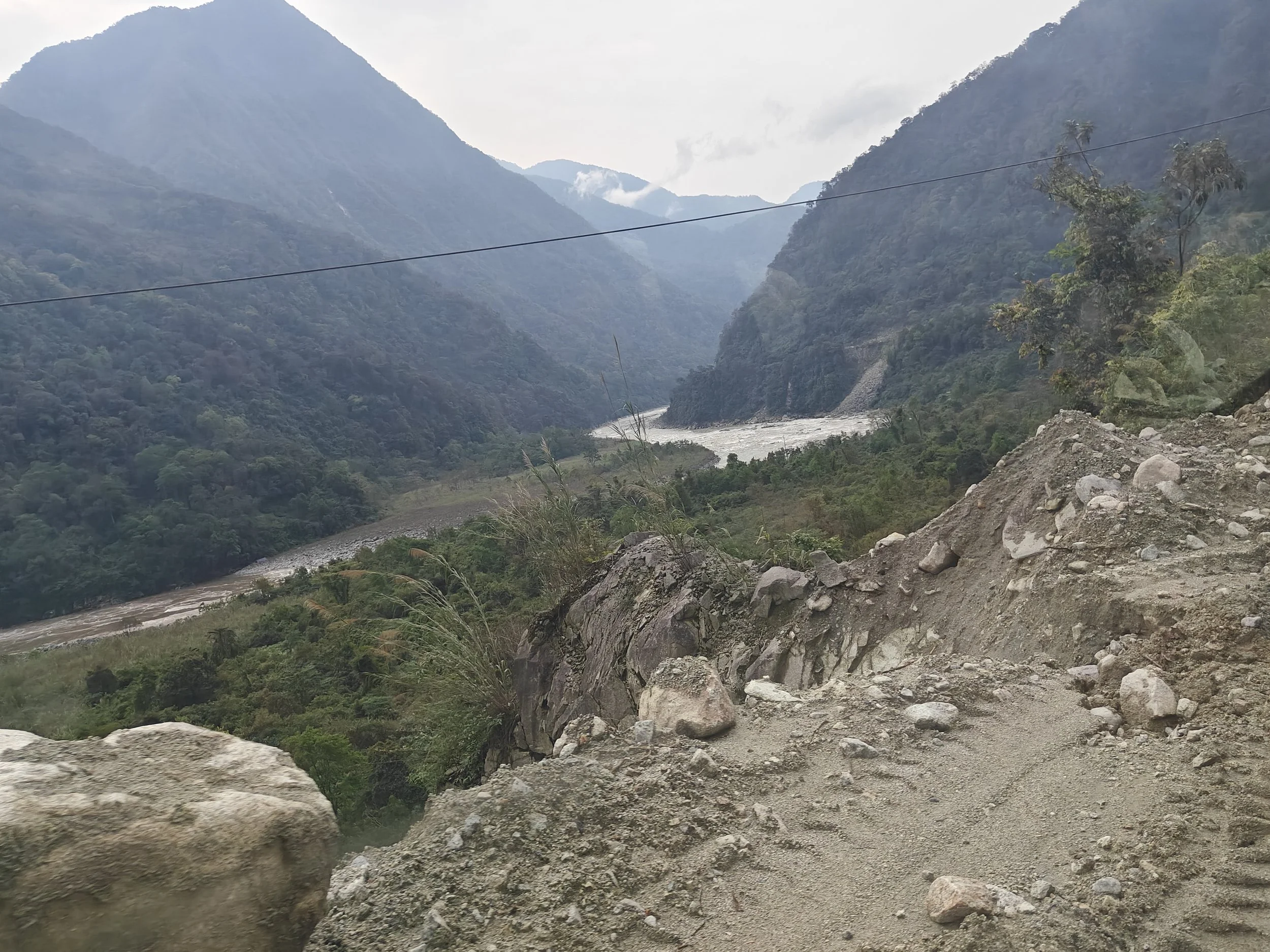
Multiple landslides during our travel
We carry what the body needs, not what the tongue demands—fruits, nuts, energy bars, ORS, simple meals. There is no expectation of variety, no disappointment if a menu doesn’t exist. We eat what is available on the way, what the campsite offers, and sometimes what we carried from far away. Hunger, too, teaches humility. In the wilderness, food is nourishment, not indulgence—and that shift alone filters who truly belongs on such journeys. This is applicable even to my kids and they learnt it fast. They enjoy such wilderness travels with absolute energy.
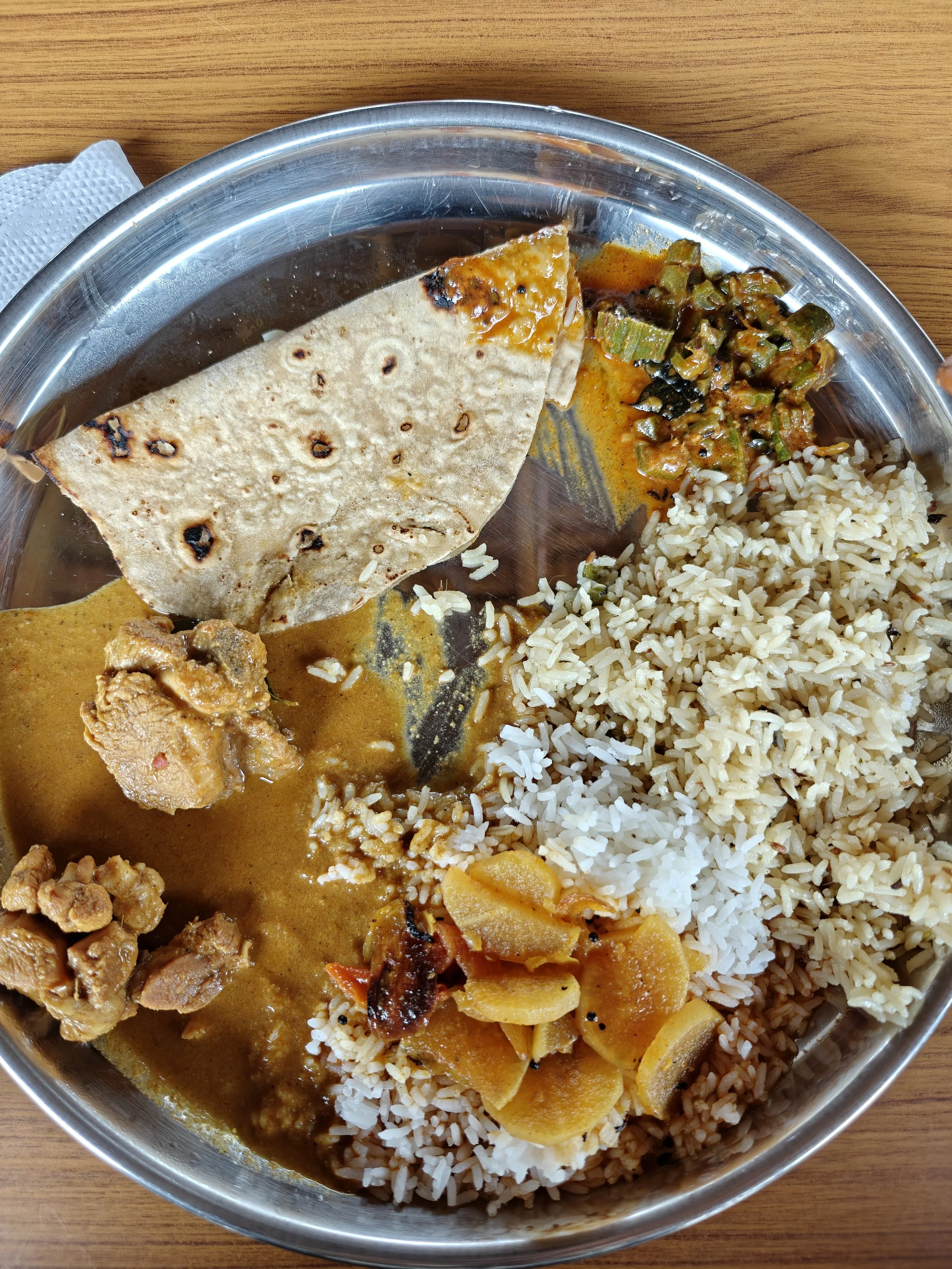

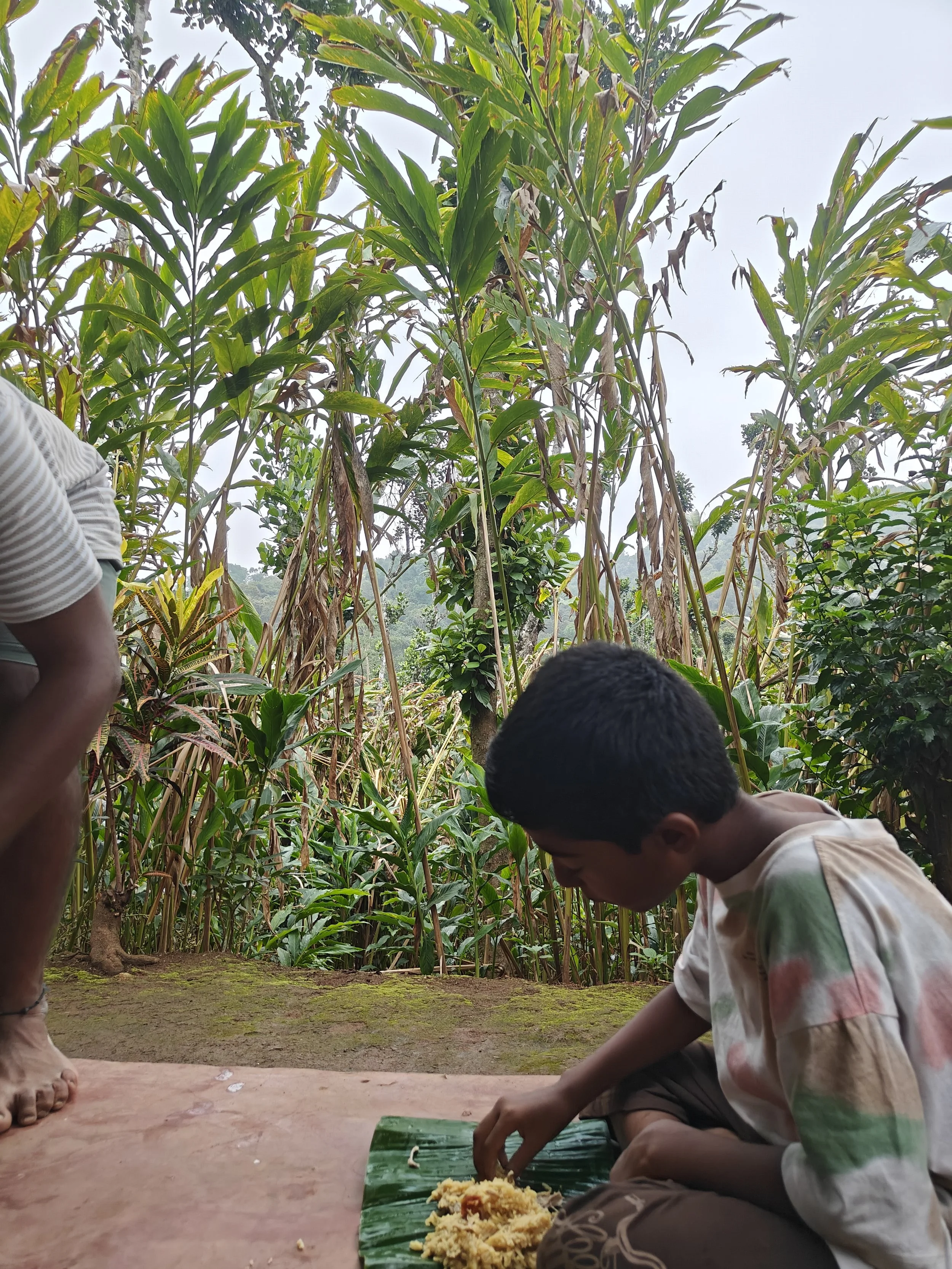
Any nutritious food during a trip is a boon and great for health!
Bringing a group into the wilderness means carrying far more than backpacks and supplies. It means carrying every unseen variable—different fitness levels, unspoken fears, fragile patience, and expectations shaped by comfort. It means pausing the rhythm of the land to answer demands for tea, snacks, or rest when the trail grows long and silent.
But what weighs on me most is not the physical burden—it is the emotional responsibility. One careless shout can erase hours of waiting, sending a rare bird slipping back into the shadows. One distracted step can destroy a spider’s web that took an entire night to weave. These are not small losses. They are quiet violences against a world that has done nothing but offer itself to us.
And in those moments, something inside me breaks—not loudly, not in anger, but quietly, almost imperceptibly. It is the breaking of a fragile trust. A trust between the wild and those who come to it with humility, patience, and restraint. A trust that whispers, “I will move gently. I will take only what I need. I will not disturb what I do not yet understand.”
When that trust is broken, the forest does not react with violence or warning. It simply withdraws. The birds fall silent. The insects pause. The night grows emptier than it should. What remains is not chaos, but an unnatural stillness—a silence that feels heavier than noise.
And that silence follows me. It lingers long after the trek ends, long after the tents are packed away. It haunts me in memory, reminding me of what was lost in a single careless moment. Because silence in the wild is never empty—it is the sound of trust being taken back.
A Smaller Footprint, A Deeper Lesson
With only a few companions—or sometimes none—the campsite breathes. The forest floor stays undisturbed, the night sky glows without interruption. Our carbon footprint stays light, our presence almost invisible.
This is how I want to belong out there: not as a conqueror or a tourist, but as a respectful guest. And that is the lesson I hope to carry back into everyday life: to listen more than I speak, to watch more than I take.
We don’t expect cozy rooms or hotel-like comfort on these journeys. There may be no reception desk to call, no service personnel to fix things for us. We prepare to manage everything on our own—and strangely, that is where the real learning begins. We travel this way even with children. My son has been part of these journeys since he was six months old. He didn’t learn comfort first; he learned awareness. He learned patience, adaptability, and calm—not through instructions, but through lived experience.
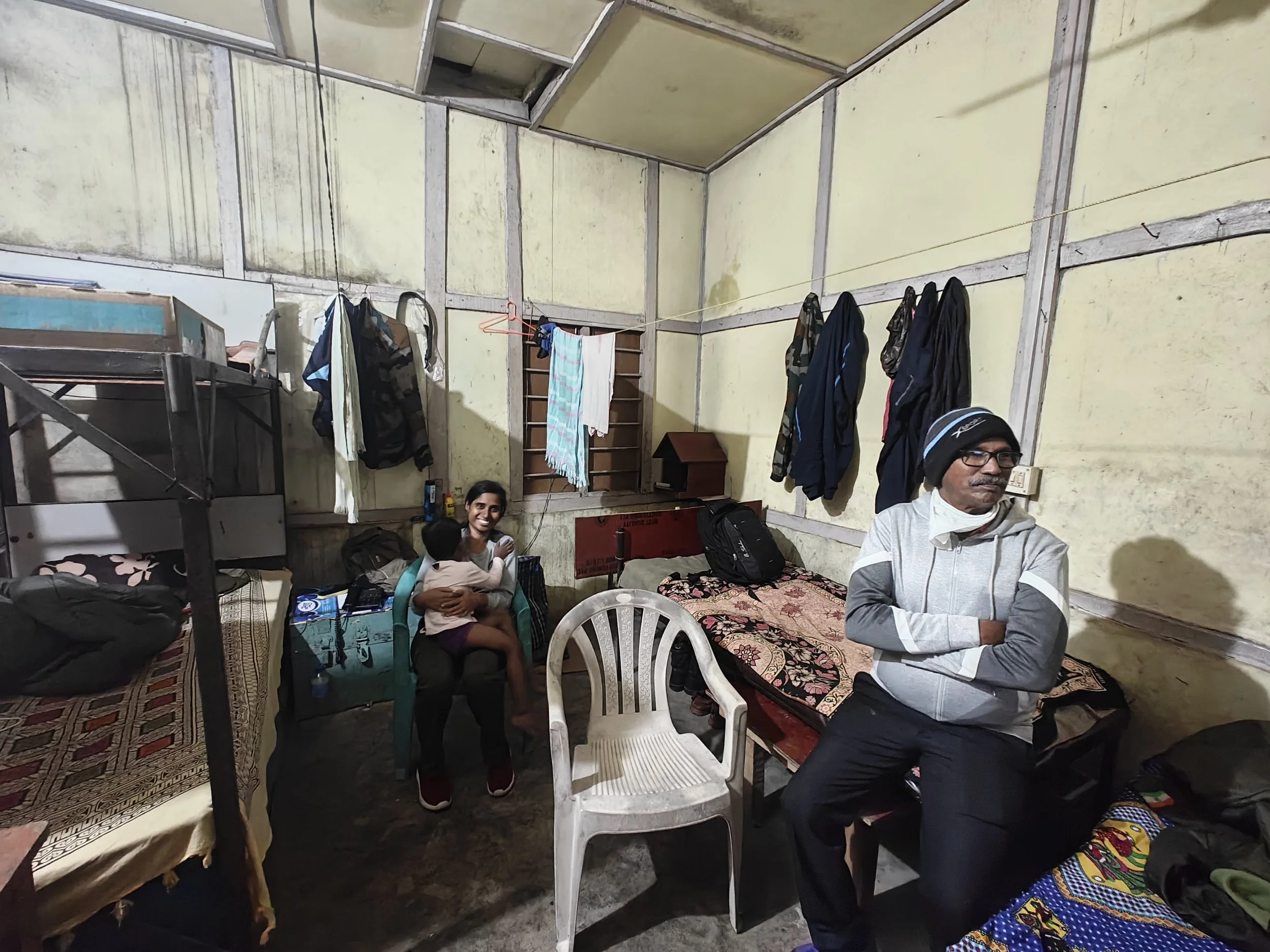
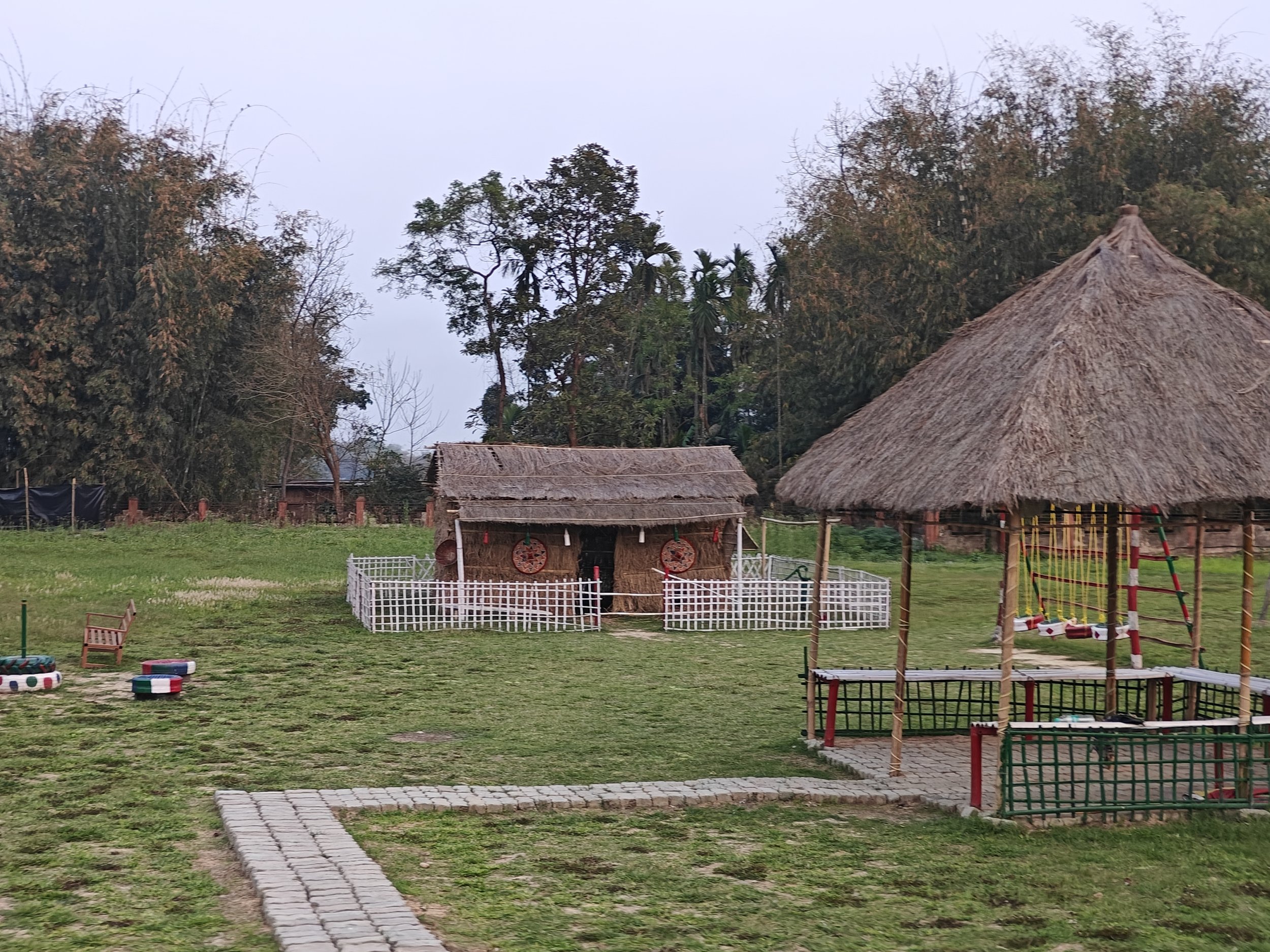
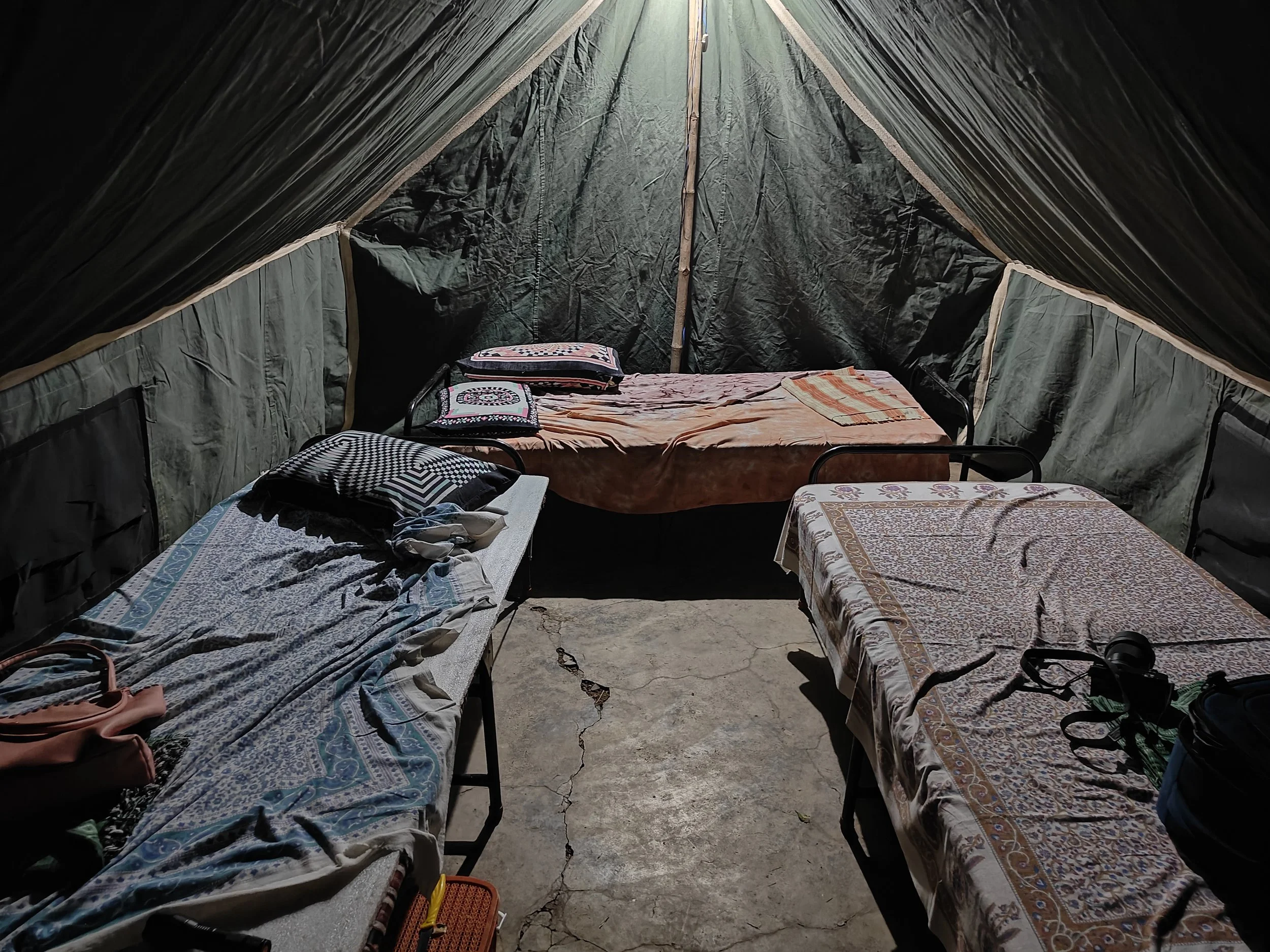
Pics of some places we stayed!
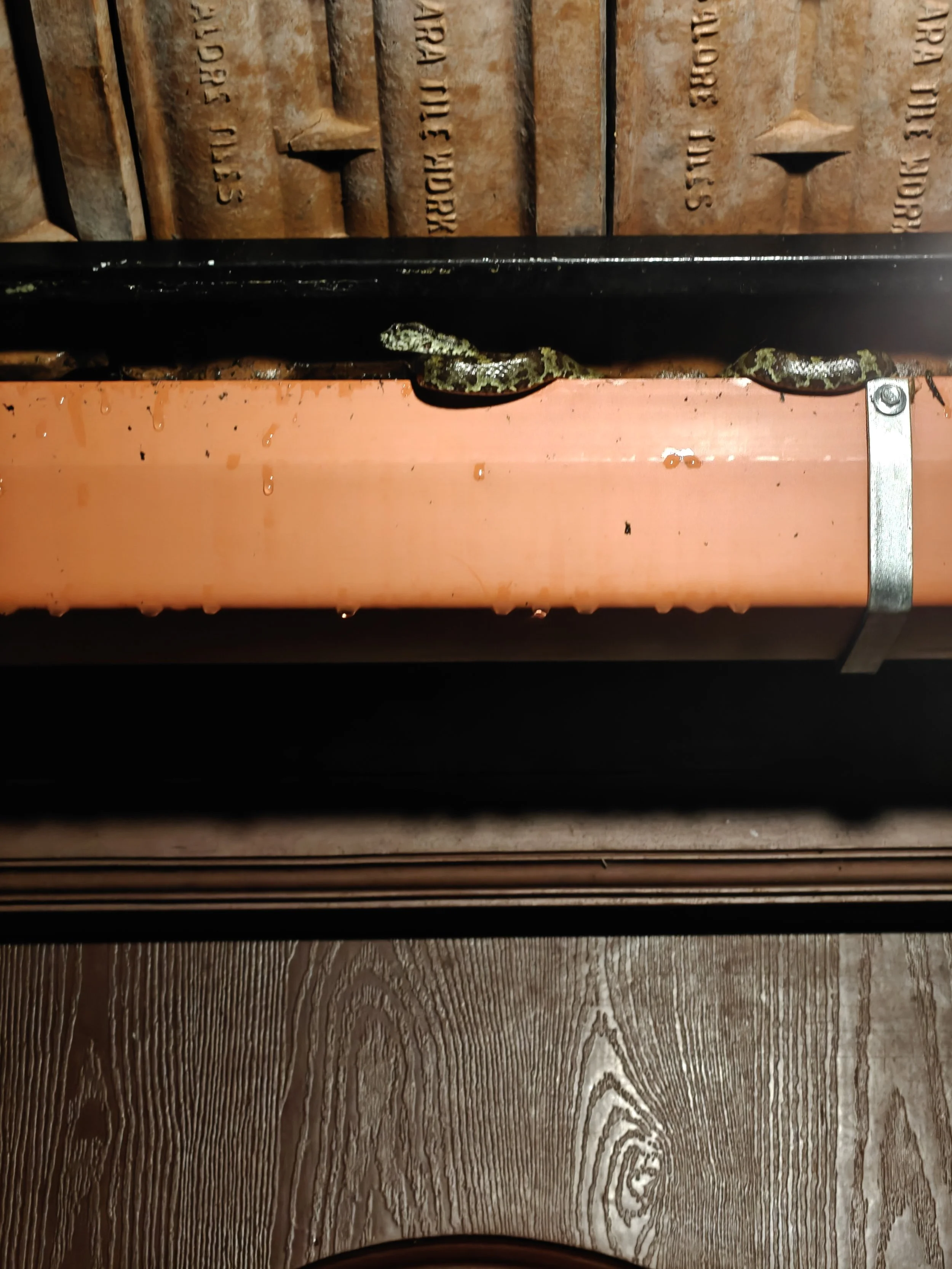
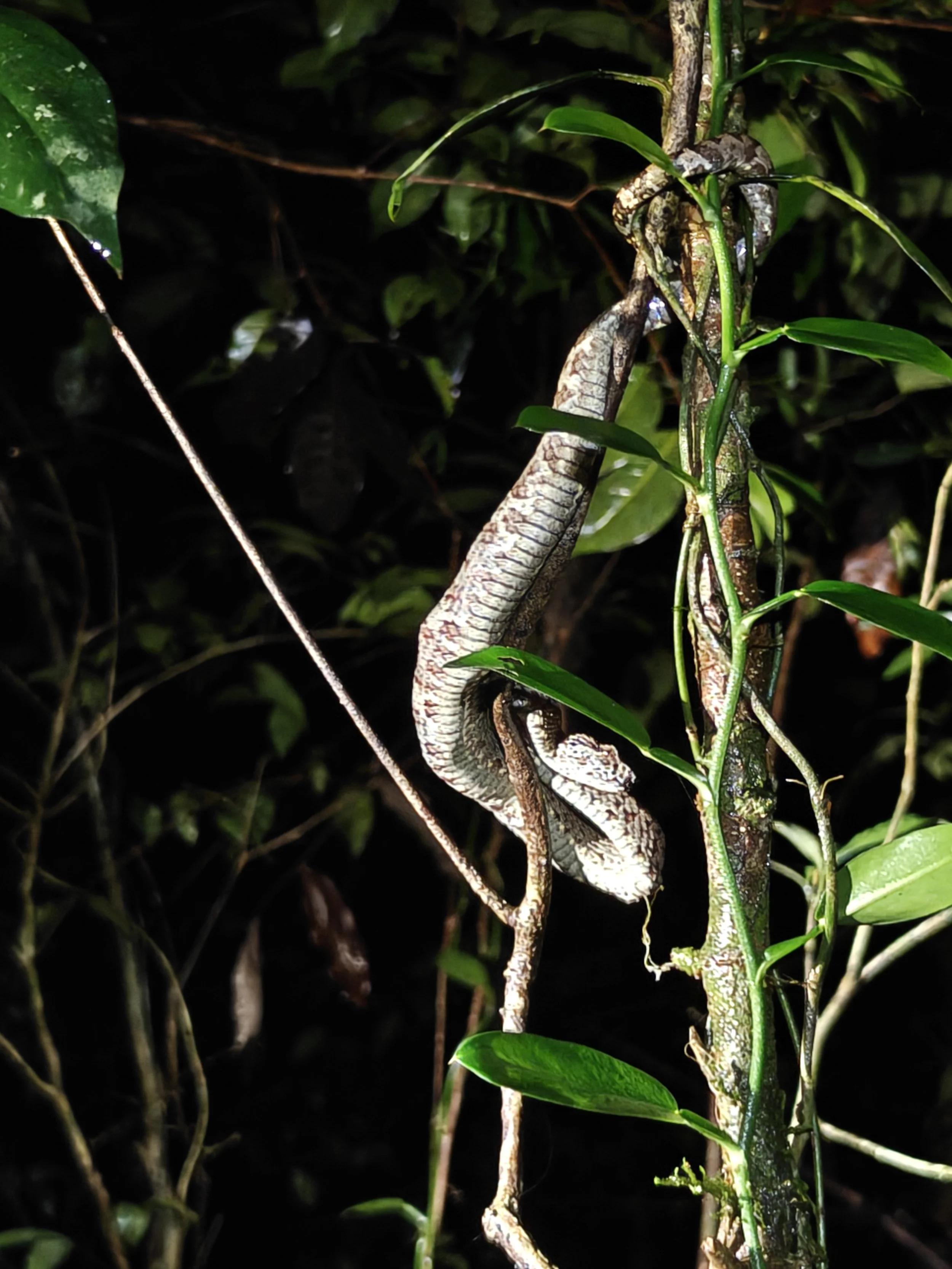
I remember a trip to Agumbe where a snake rested quietly on the top of our toilet door. The next morning, a frog had made the bathroom its temporary home. These moments were not emergencies—they were reminders. In the wilderness, you are not stepping into a controlled space; you are entering someone else’s home. Knowing how to respond calmly, without panic or aggression, is as important as knowing the route or the weather. Until the mind and body are prepared to accept such encounters with respect, one should not disturb the natural order by venturing into it.
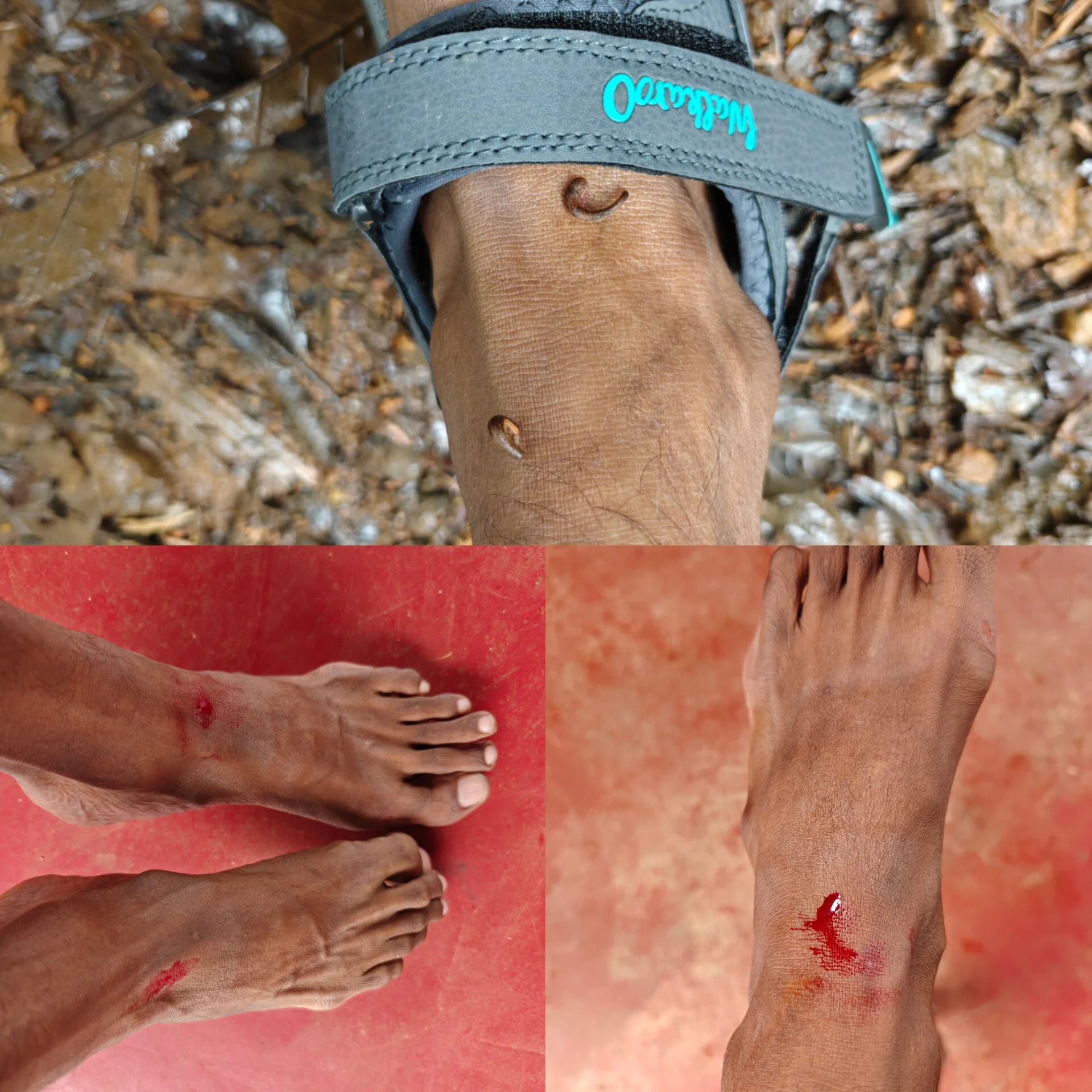
Encounters with leeches, insect bites, or unexpected discomforts are part of being in the wild. I know the best preventive measures, and I follow them carefully—but nature does not always negotiate. When something still happens, the response matters more than the incident itself. Panic only multiplies risk. Calm creates solutions. In the wilderness, learning how to stay composed, assess the situation, and respond thoughtfully is not optional—it is survival with dignity.
Wild behaves naturally!
Leech bites despite stringent preventive measures.
So when you ask if you can join me next time, please know: my hesitation is not a wall between us. It is a quiet plea—for patience, for reverence, for the kind of joy that isn’t loud or easy to share.
If you are willing to walk slowly, to sit in silence, to let the forest decide when to reveal itself, then perhaps one day we can walk the trail together. Until then, may you find your own patch of sky, your own moment of stillness, and listen.
Because the wild is waiting—not to entertain you, but to teach you how to truly see.
And to those who often ask me, “Why take these things so tough? Why not just enjoy life happily as it is?”—
I will begin with a Zen saying: “Sitting quietly, doing nothing, spring comes, and the grass grows by itself.”
I can only say this: true happiness, at least for me, is not found in careless enjoyment but in mindful presence. If we are careless, we miss the quiet wisdom that nature offers us every day.
We miss how a spider weaves its fragile web overnight, teaching us patience and resilience. We miss the way a snake rests motionless for hours, reminding us that stillness too is strength. We miss the chorus of frogs after a rain, each tiny voice contributing to a harmony larger than itself—a lesson in community. We miss how a bird abandons a nest if it feels disturbed, showing us how fragile trust can be. These are not small things; they are metaphors for life itself.
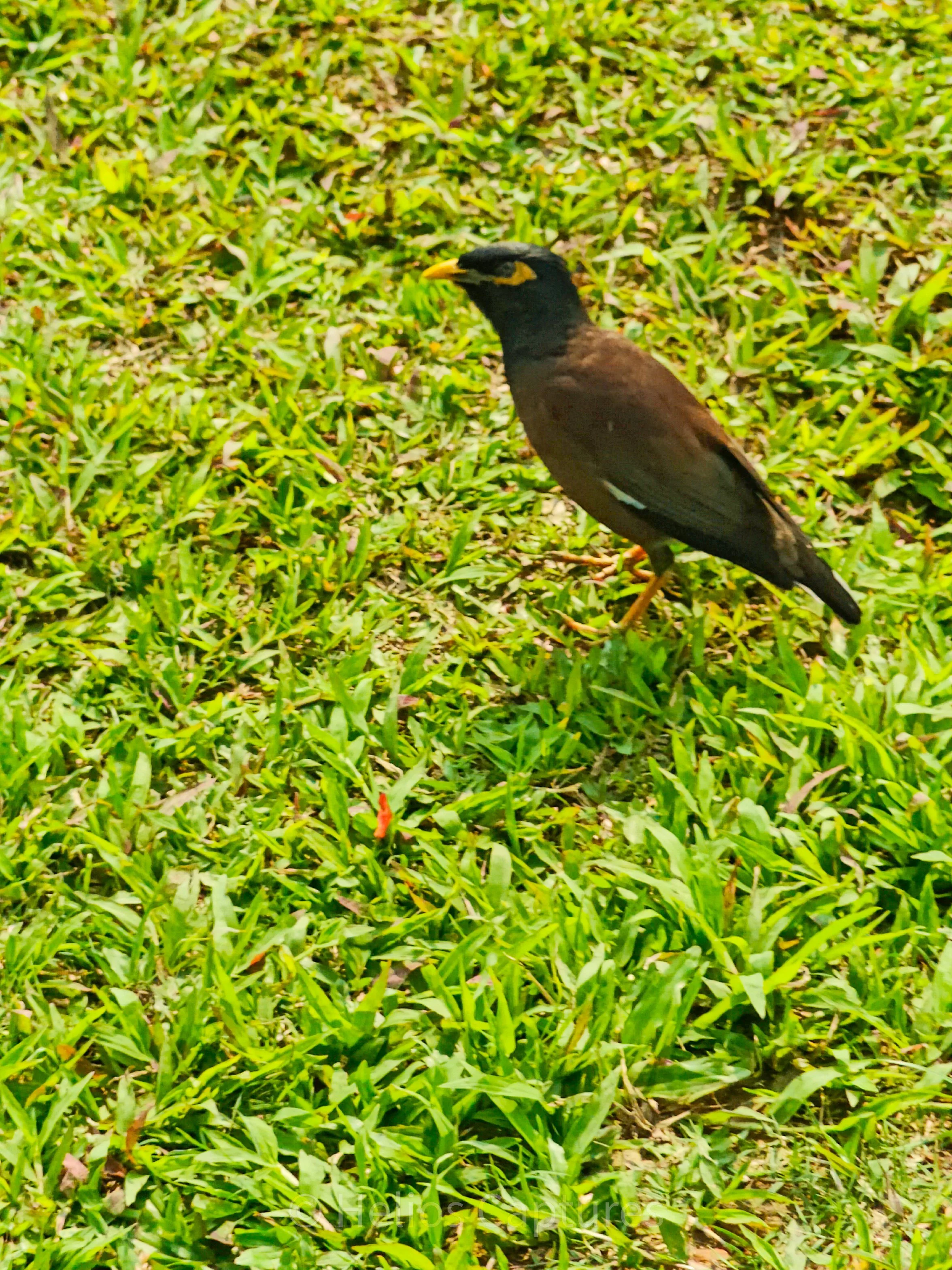
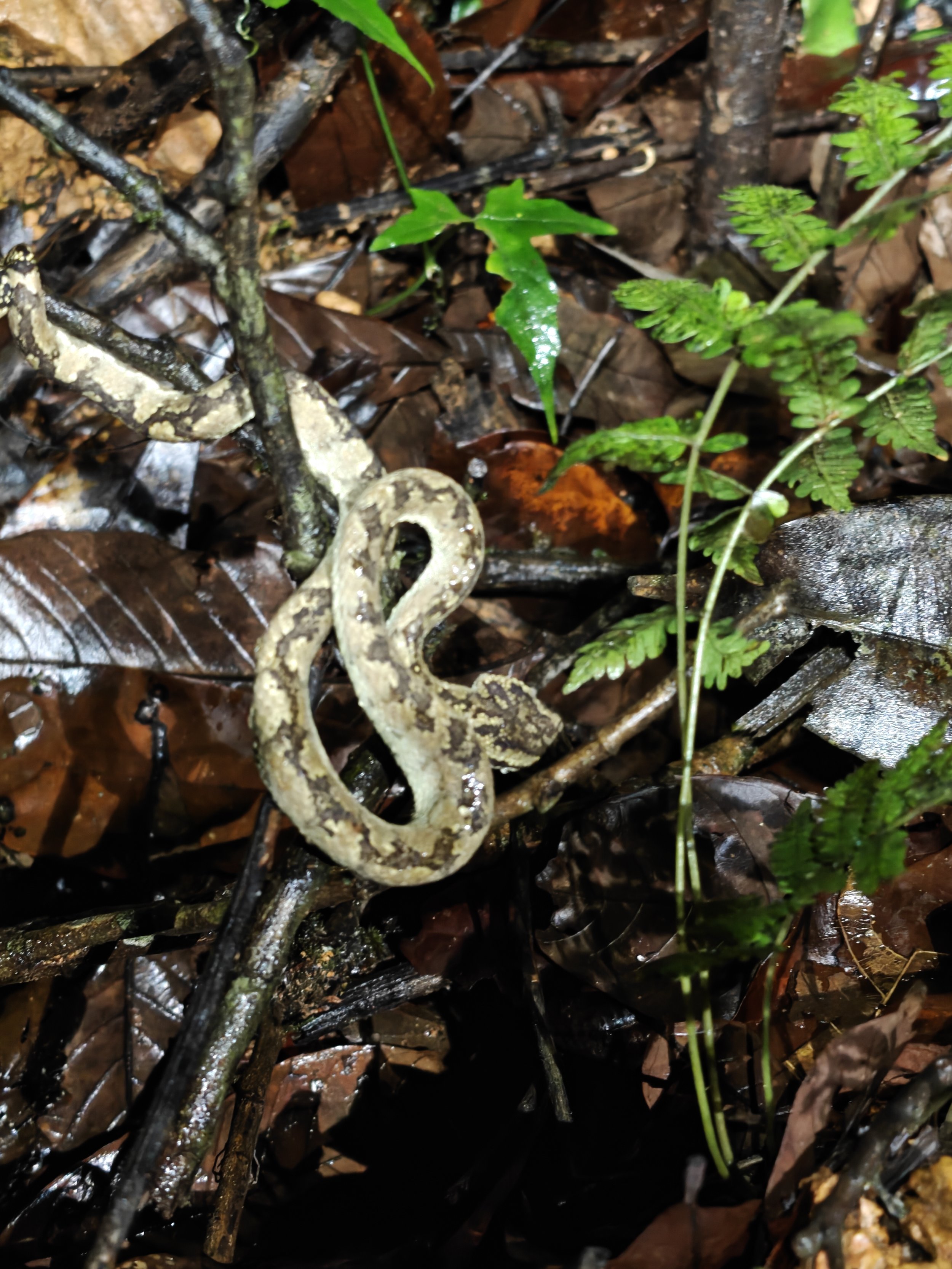
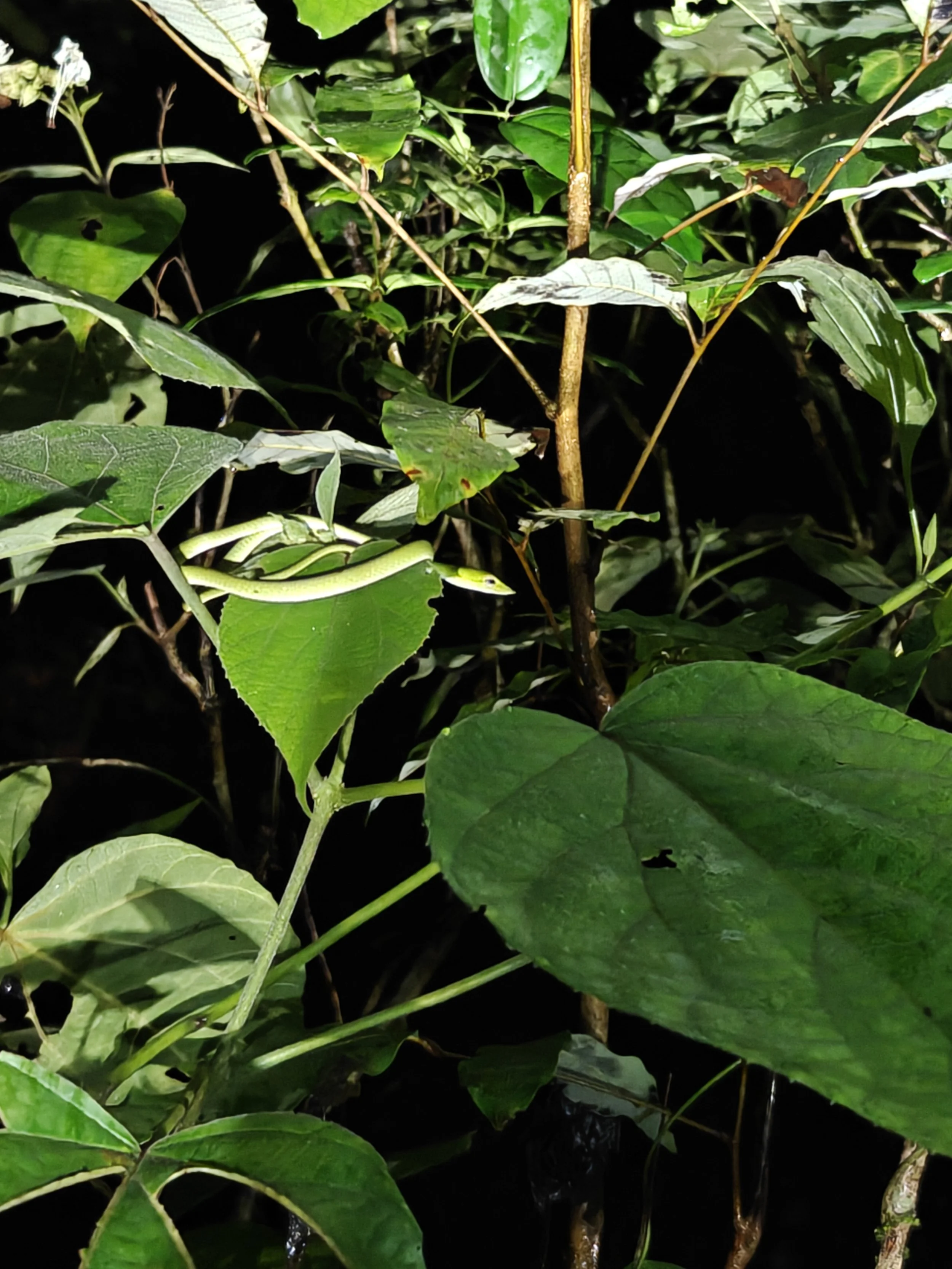
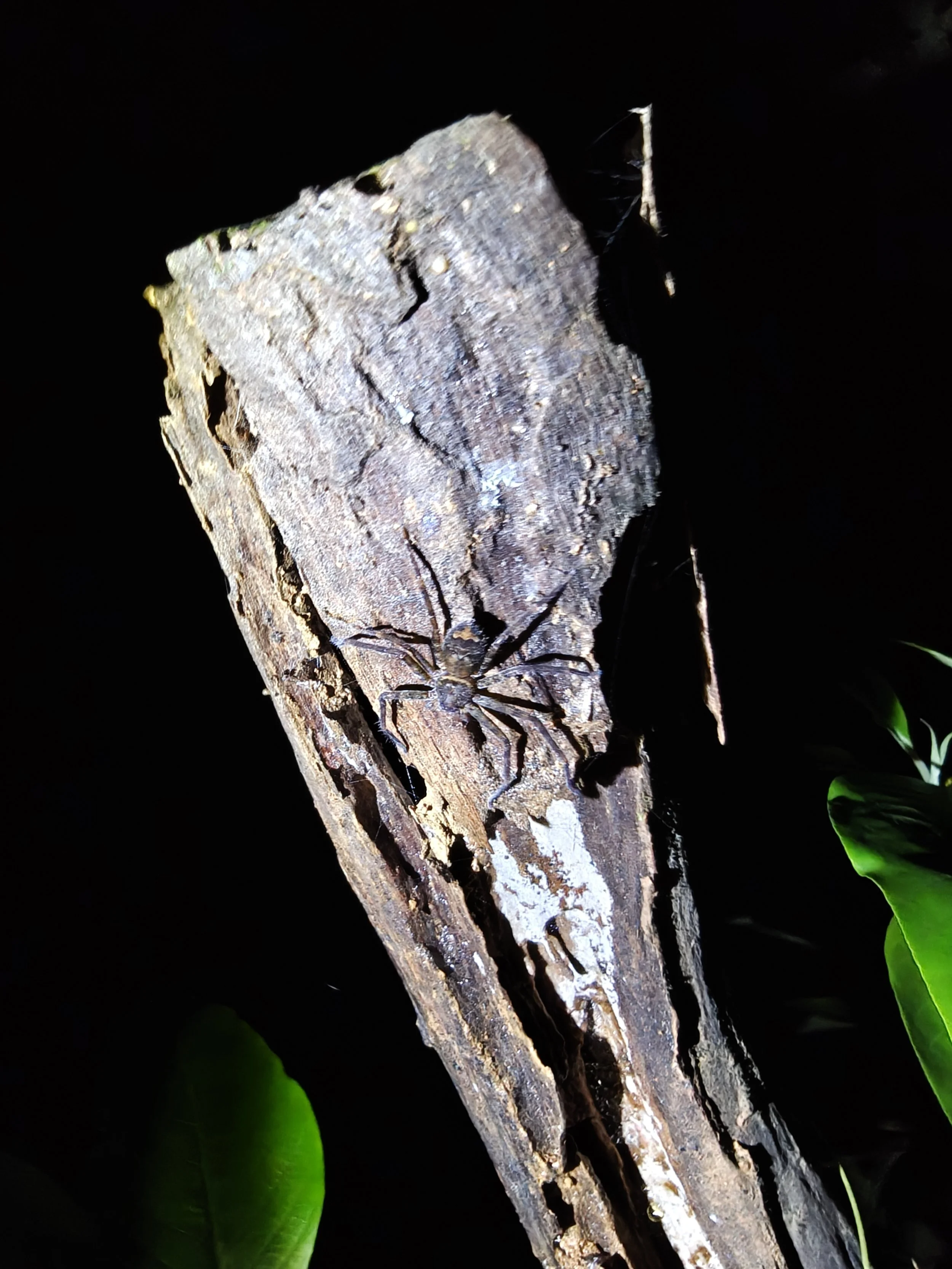
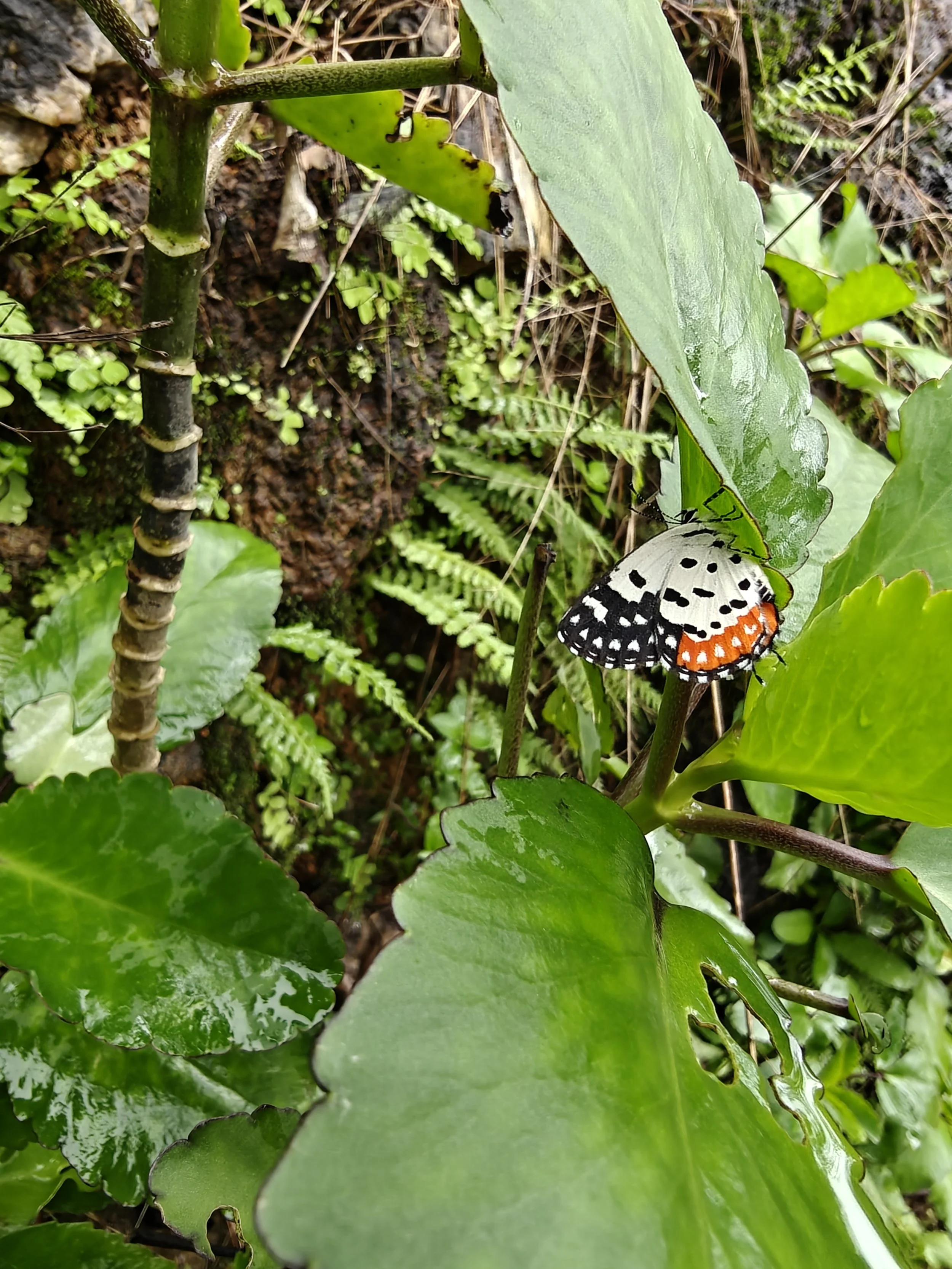
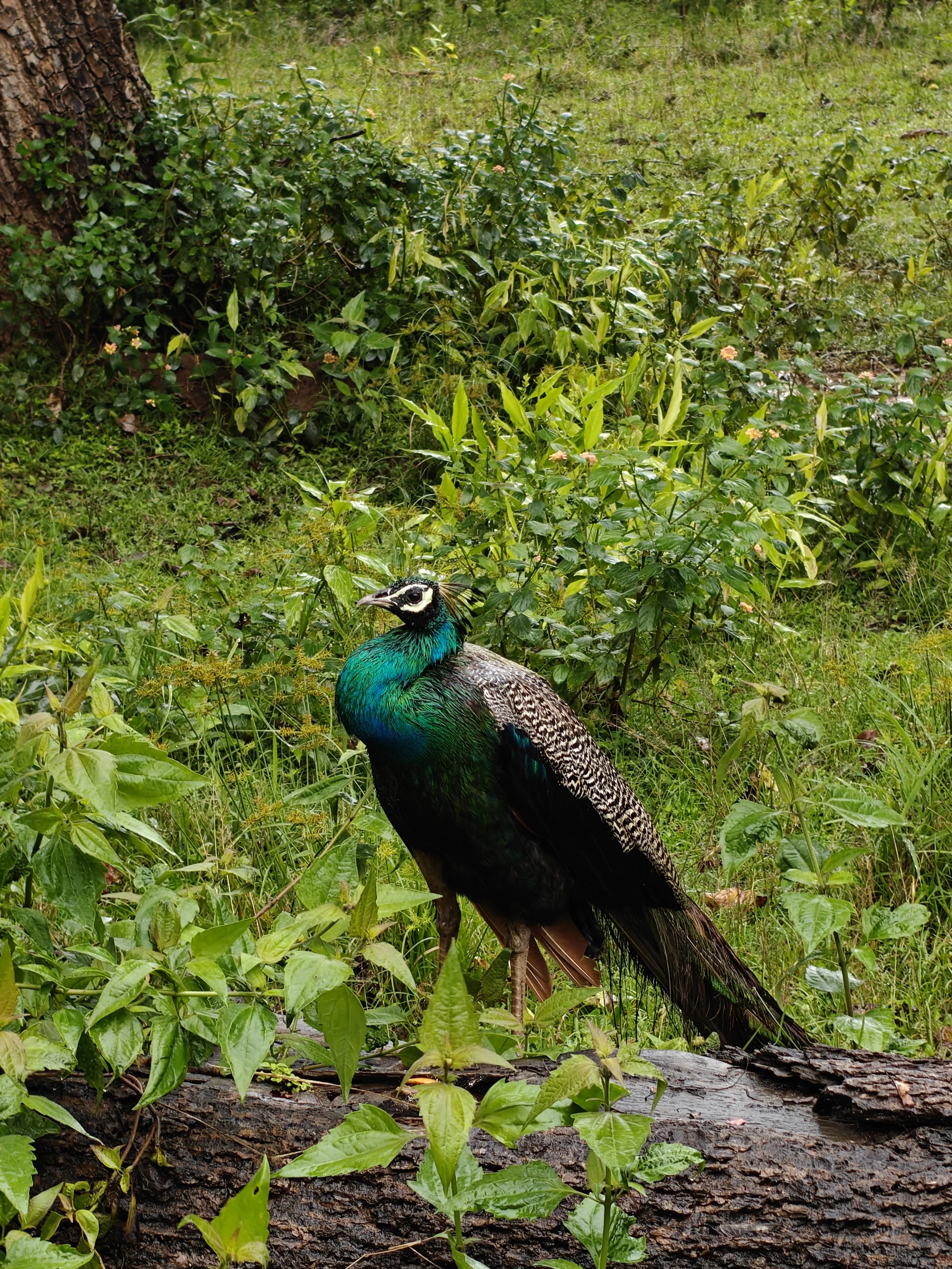
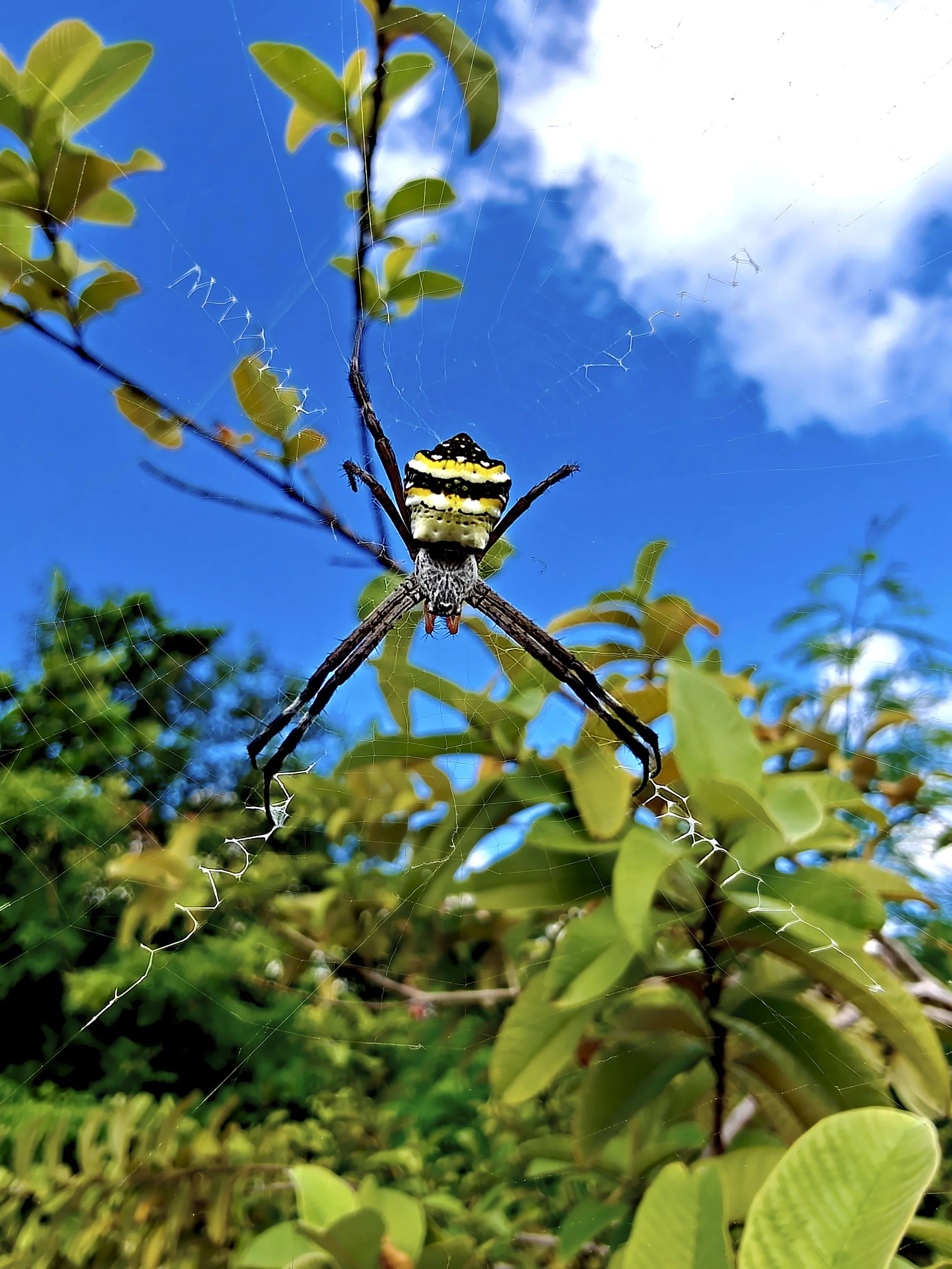
Learn the art of silence and patience to observe and capture great nature experiences!
When we treat the forest as a picnic ground or the river as a playground, we may gain a moment of laughter, but we lose these silent teachings. Life, like the wilderness, is delicate. To walk gently, to respect silence, to let beauty reveal itself on its own terms—that is not being “too serious.” It is being truly alive.
Every journey is planned with hope—but carried with acceptance. Routes change. Weather turns hostile. Sometimes the safest decision is to turn back. On a trip to Walong in Arunachal Pradesh, our vehicle broke down at Hayuliang in heavy rain. There was no phone signal. I walked and ran for kilometers searching for help to find alternatives. There was no panic—only focus. The wilderness tests not your strength, but your calm. If you cannot face uncertainty without stress, the wild will overwhelm you.
As Henry David Thoreau wrote, “Heaven is under our feet as well as over our heads.” But to see that heaven, we must first learn to walk with reverence.
“Wherever you stand, be the soul of that place.”
Closing Note for My Beloved Friends and Well-Wishers:
So the next time you ask me to take you along for a trek, a forest camp, or a quiet night of wildlife observation, come prepared—not just with gear, but with the mindset these journeys demand. And yes, I’m not averse to fun at all. I’m always open to relaxed trips, simple stays, good conversations, and laughter—just preferably outside forest boundaries. Crowded places, loud music, party lights, and constant noise have never really suited me. I find my joy elsewhere.
If the wilderness calls, it will always be my first answer. Fewer people, softer voices, slower steps, and deeper listening—that’s my rhythm. If that sounds like your kind of fun too, you’re always welcome to walk beside me. If not, that’s perfectly okay. Different paths for different hearts.